Why Everyone Is Talking About Uk Driving Licence Today
How to Obtain a UK Driving Licence: A Step-by-Step Guide
Obtaining a driving licence in the United Kingdom is a considerable milestone for many people, representing not just the ability to drive, but also a newfound independence. Navigating the procedure may seem intimidating initially; nevertheless, understanding the actions and requirements can streamline the journey. This short article will break down the procedure of getting a UK driving licence while attending to common questions to much better prepare aiming drivers.
Kinds Of UK Driving Licences
Before diving into the procedure, it is vital to comprehend the different kinds of driving licences available in the UK:
Provisional Licence: This is the very first step for new drivers, permitting them to practice driving on public roadways with a qualified trainer or a knowledgeable driver.
Full Licence: Once a driver passes their theory and practical driving tests, they can apply for a complete driving licence, which certifies them to drive separately.
Special Licences: These consist of licenses for particular classifications of cars, such as bikes and big products lorries, each requiring various tests.
The Process of Getting a UK Driving Licence
Action 1: Application for a Provisional Licence
The journey starts with looking for a provisionary driving licence. Applicants need to be at least 15 years and 9 months old to apply. Here is how to apply:
Online Application: The easiest method to apply is through the main UK federal government website. Candidates will need a legitimate UK passport or a form of recognition, along with their National Insurance number if they have one.
Paper Application: Alternatively, individuals can fill out a D1 application available at Post Offices.
Step 2: Pass the Theory Test
When the provisionary licence is gotten, the next step is to prepare for the theory test, which consists of two parts:
Multiple Choice Questions: This area tests knowledge on roadway indications, driving rules, and safe driving practices.
Threat Perception Test: This practical element examines the ability to recognize and respond to potential hazards on the roadway.
To succeed in the theory test:
- Study utilizing official DVSA products, which consist of books and online resources.
- Take practice tests available through numerous apps and sites.
Step 3: Take Driving Lessons
With a provisionary licence in hand and the theory test passed, the next step includes practical driving lessons. It's a good idea to consider the following:
Find a Qualified Driving Instructor: Choose a driving school registered with the DVSA to ensure a high requirement of training.
Practice Regularly: Engage in routine practice to develop skills and self-confidence behind the wheel.
Step 4: Pass the Practical Driving Test
After completing a set variety of lessons and sensation comfortable behind the wheel, it is time to schedule a practical driving test.
Reserving the Test: Tests can be booked online or by phone through the DVSA.
The Test: During the useful test, prospects will be examined on their ability to securely and effectively run a car in various traffic circumstances. The test also includes specific manoeuvres like parallel parking and emergency stops.
Step 5: Apply for a Full Licence
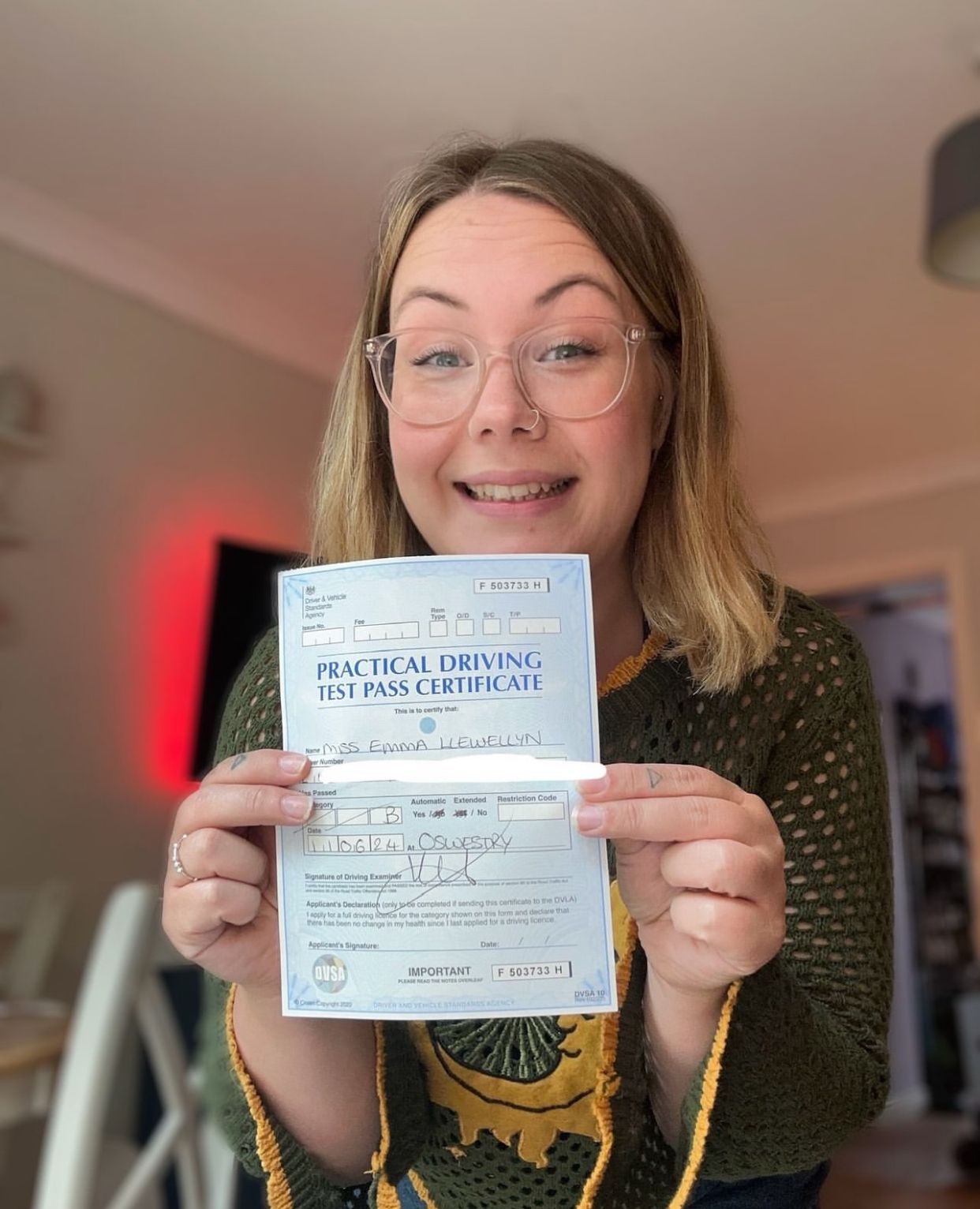
Upon effective conclusion of the dry run, drivers can get a complete driving licence. This procedure usually involves:
- Submitting the pass certificate received from the practical driving test.
- Keeping the provisionary licence till the complete licence shows up, which normally takes up to three weeks.
Crucial Considerations and Tips
Stay Informed: Keep current with any modifications in driving policies or procedures.
Be Patient: The journey to becoming a certified driver can differ significantly depending upon specific scenarios, especially when it comes to scheduling tests.
Consider Mock Tests: Many driving schools offer mock driving tests to assist candidates prepare thoroughly and minimize test-day nerves.
Stay Calm During the Tests: Nerves can impact performance; practice relaxation methods to manage stress and anxiety on the day of the test.
Often Asked Questions
What is the minimum age to apply for a UK driving licence?
The minimum age to request a provisionary driving licence is 15 years and 9 months. Nevertheless, you can just take the practical driving test when you reach 17 years of age.
For how long is a provisionary licence valid?
A provisional driving licence is legitimate for 10 years. However, if you do not take your test within a reasonable time or repeatedly stop working, you may be required to renew it.
What files do I need for my driving test?
You will need to present your provisional licence and, if relevant, a confirmation of your theory test pass. It's recommended to also bring extra recognition, such as a passport or energy costs.
Can I drive while waiting on my full licence?
No, you should hold a valid driving licence at all times while driving. After passing the useful test, you must make an application for your full licence.
What if I fail my driving test?
If a prospect fails their driving test, they can schedule another test as quickly as they feel prepared. David Aledsinger to review feedback from the inspector to identify locations for enhancement.
Acquiring a UK driving licence is an important life ability that requires dedication, preparation, and persistence. By comprehending the actions involved— from applying for a provisionary licence to passing the last driving test— brand-new drivers can equip themselves with the understanding needed to browse this procedure successfully. With cautious preparation and a desire to learn, any aspiring driver can accomplish their objective of acquiring their UK driving licence and take pleasure in the flexibility of the open roadway.